Start a Conversation

Services

Adaptive ReuseMultifamilyOffice‑to‑ResidentialSenior LivingHospitality & Mixed-UsePreconstructionView All Services

Projects

The NationalCathedral GuadalupeKnox StreetView All Projects

Proof

RecognitionLeadershipEmployee OwnershipInsights

Locations

Dallas–Fort WorthHoustonAustin

Company

AboutThe ANDRES WayCareers

Contact

214.521.2118

Owners build differently.

Start a Conversation

3710 Rawlins, Suite 1510
Dallas, TX 75219

Service pillar

The Complexity Walk. Before Contract, On Site, Face to Face.

Overview

EveryANDRESprojectstartswithaComplexityWalk.ThePMandsuperintendentidentify3-5specificconditionsexpectedduringconstructionface-to-face,onsite,beforecontract.It'sthemechanismthatconvertsinstitutionalknowledgeintoadeliverableadvantagebeforethefirstshovelhitsdirt.

Preconstruction at a glance

28
Years — Jeff Kempf leading Preconstruction
3-5
Conditions identified per Complexity Walk
4
Metro markets — Dallas, Austin, Houston, Fort Worth
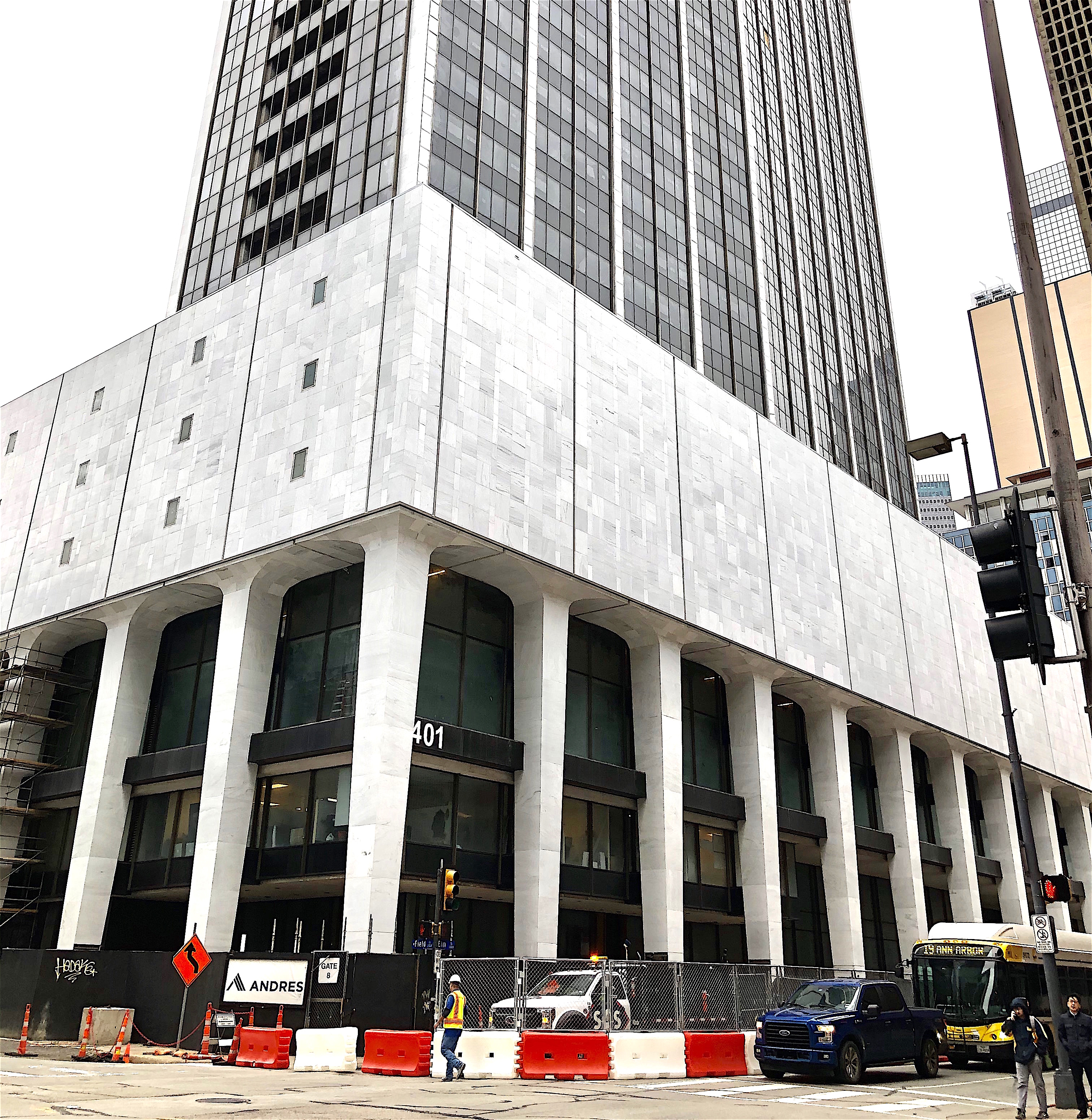
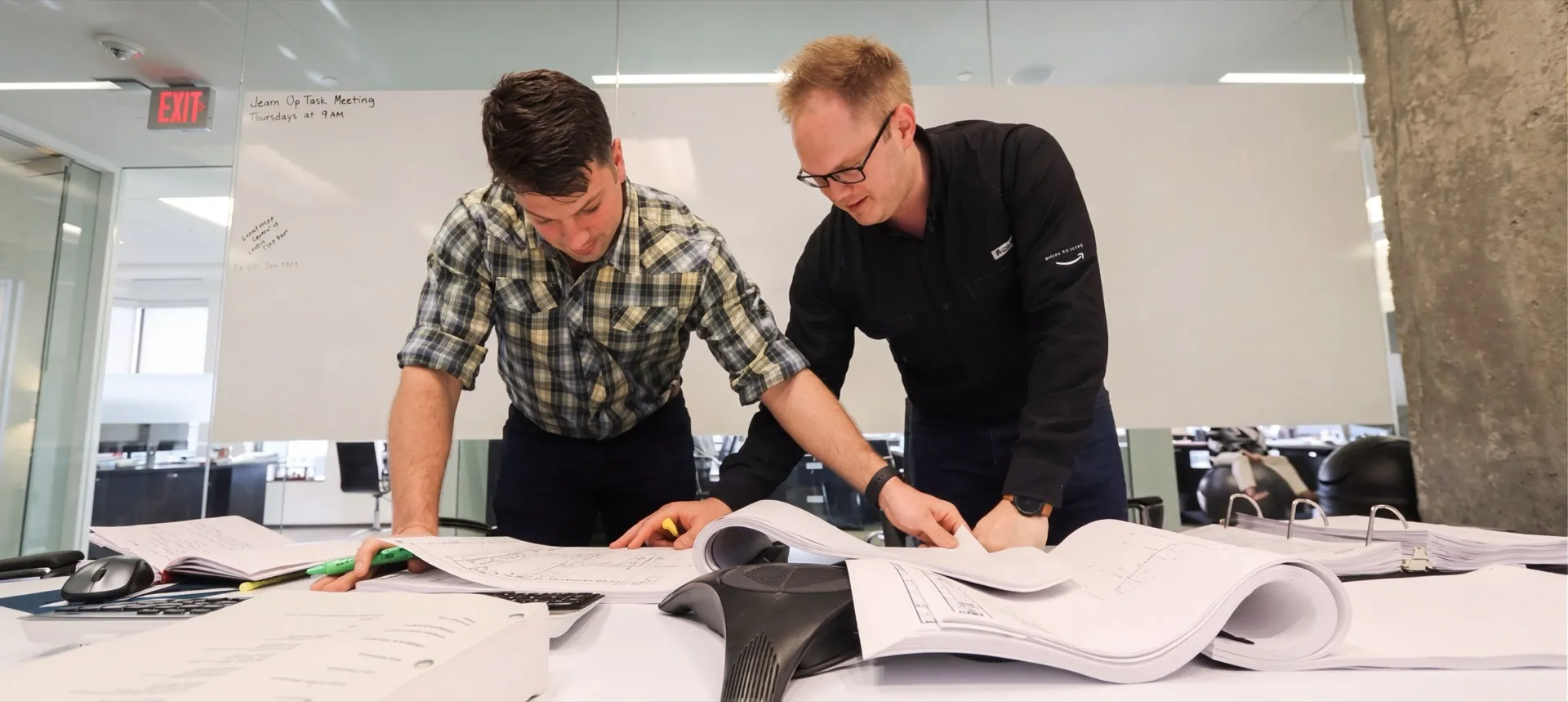
Before contract, ANDRES's PM and superintendent walk the site together — not to check boxes, but to identify the 3-5 specific conditions that will define the project's complexity. These aren't generic risks. They're the exact conditions that the team's combined decades of experience have taught them to look for.

Alamo Manhattan calls it "an uncanny ability to identify problems early." It's not uncanny. It's what happens when the same people have solved the same category of problems for 15-25 years.

Learn More
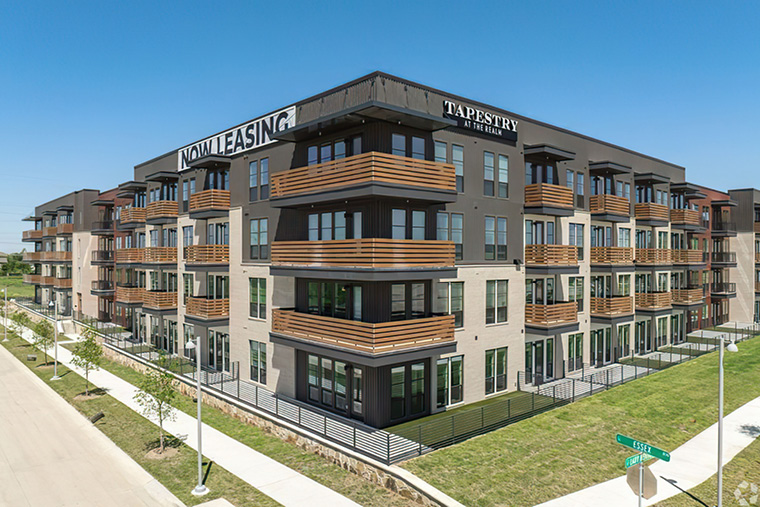
The Complexity Walk — Preconstruction project work by ANDRES Construction, Texas

Preconstruction isn't a department — it's the first demonstration of the team continuity that defines every ANDRES project. When Jeff Kempf leads preconstruction with 28 years of ANDRES institutional knowledge, the estimate isn't a guess. It's pattern recognition at scale.

Learn More
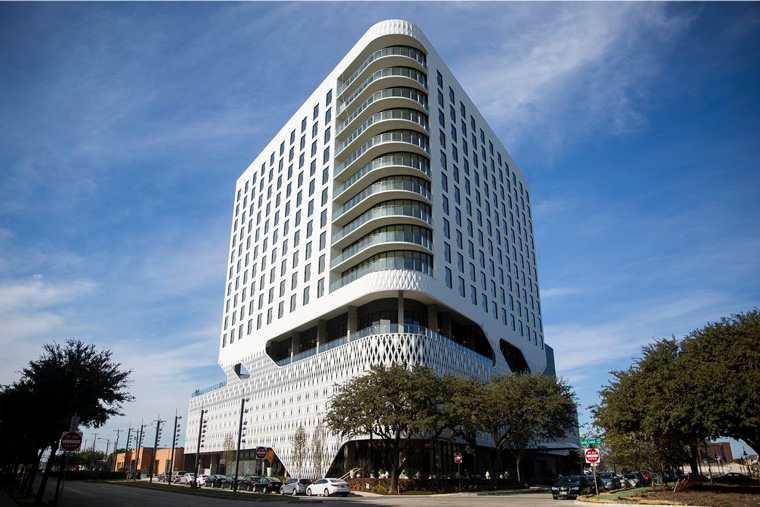
Preconstruction as Proof — Preconstruction project work by ANDRES Construction, Texas

ANDRES operates with Procore, DroneDeploy, and full VDC integration — but experience remains the advantage. Technology accelerates decision-making; it doesn't replace judgment.

Twenty-eight years of preconstruction expertise, reinforced by modern systems. The people drive the outcome. The software supports the execution.

Learn More

Preconstruction in your city

Start Before Ground Breaks.

The Complexity Walk is where ANDRES converts institutional knowledge into a deliverable advantage — before contract, on site, face to face.

Questions developers ask before they sign

What does preconstruction actually deliver that the construction phase cannot?

It delivers the chance to find problems on paper instead of in concrete. David O’Quinn’s team on Vivante sat with the full drawing set before breaking ground, reviewed every sheet, and built a comprehensive list of clarifications, conflicts, and issues — then routed it to the architect, the engineering teams, and the HHSC consultant. Issues were corrected before construction started. In David’s framing: "That list was from my experience, the whole team’s experience. It’s not one man, one voice." Preconstruction is collective experience applied to drawings while they are still mutable.

How early should a developer bring a GC into preconstruction?

Earlier than most developers do. The Complexity Walk methodology — a structured site walkthrough where the project leader names the three to five conditions that make a project uniquely difficult and exactly how the team plans to solve them — is something ANDRES runs informally pre-groundbreaking on every complex project. The earlier that conversation happens, the more options exist. Once the schedule is locked and the GMP is signed, the leverage to redesign a conflict has collapsed.

What’s the difference between a "complexity-first" preconstruction approach and a standard one?

Standard preconstruction estimates the work. Complexity-first preconstruction estimates the work and inventories the conditions that will threaten the work. On Cabana, that meant pre-identifying that the building’s load-bearing columns between every original hotel room would dictate all unit planning, that the elevator disposition would need four different outcomes (modernize two, abandon one, convert one to trash chute), and that the pool deck’s corroding hand-deck joist structure was a replace-not-repair decision. None of that is unique to construction expertise — it is what experienced PMs and superintendents do when given the time and the directive to do it.

How do you handle the consultant stack — HHSC, fire safety, historic preservation — in preconstruction?

Bring the specialists in before the field crews do. On Vivante, David brought in John Richter as a dedicated HHSC and fire safety consultant — pre-construction, on every sheet — because HHSC requirements can conflict with architectural intent and fire code, and resolving those conflicts on paper costs a fraction of resolving them in the field. On Cabana, Jonathan Haywood served as PM on the environmental remediation portion specifically because he had been present at Mosaic in 2007 when ANDRES first ran that play with the same trade partner. The right consultant stack in preconstruction is project-specific and tenure-driven.

How does ANDRES handle preconstruction estimating on a project with significant unknowns?

With a known-and-unknown split that the developer can actually use. We price the visible work, we contingency the work we cannot see, and we name the conditions most likely to drive the contingency. Carlos’s framing on the commitment side: "We have known unknowns. We have unknown unknowns. We don’t even know what unforeseen conditions we’ll come up against, but we’ve staffed the project with enough on-site supervision and experienced administrative side to be able to react." The estimate is honest about what is knowable and what is not.

Why does GC continuity from preconstruction into construction matter so much?

Because the knowledge built in preconstruction is the operating manual for the build. The Senior PM in preconstruction is the one who knows why the column grid drove a particular unit plan, why the consultant flagged a particular HHSC conflict, why a particular trade partner was selected over a slightly lower bid. When that PM hands off to a different team for construction, that knowledge does not transfer cleanly — it gets re-discovered, usually under schedule pressure. ANDRES’s model is that the same Senior PM carries the project across both phases.

What is the Complexity Walk and how does it tie into preconstruction?

A Complexity Walk is a structured on-site walkthrough where the project leader names the three to five real conditions that make a project uniquely challenging and how the team plans to solve them. The framework: what is the constraint, what happens if it is not managed, how is the team solving it, who on the team has done this before, and what is the metric for success. ANDRES runs informal versions of this on every complex project pre-groundbreaking. It is preconstruction made visible — the diagnostic conversation that determines whether the schedule and the budget are realistic, before either is signed.