Start a Conversation

Services

Adaptive ReuseMultifamilyOffice‑to‑ResidentialSenior LivingHospitality & Mixed-UsePreconstructionView All Services

Projects

The NationalCathedral GuadalupeKnox StreetView All Projects

Proof

RecognitionLeadershipEmployee OwnershipInsights

Locations

Dallas–Fort WorthHoustonAustin

Company

AboutThe ANDRES WayCareers

Contact

214.521.2118

Owners build differently.

Start a Conversation

3710 Rawlins, Suite 1510
Dallas, TX 75219

Service pillar

Dallas Ranks #2 Nationally. 26% Vacancy Creates the Funnel.

Overview

Office-to-residentialconversionshavetripledsince2022.DallasrankssecondnationallyindeliveredconversionsjustfourunitsbehindManhattan.WithDFWofficevacancyat26%andnewlegislationeliminatingrezoningbarriers,thepipelineisstructural.ANDREShasconvertedmoreofficebuildingstoresidentialinTexasthananydocumentedcompetitor.

Office‑to‑Residential at a glance

70,700+
Units in national office-to-residential pipeline
#2
Dallas rank nationally (4 units behind Manhattan)
26%
DFW office vacancy creating conversion funnel
3x
Pipeline growth since 2022

Office-to-residential isn't a single discipline — it's the convergence of adaptive reuse preservation skills, multifamily delivery scale, and preconstruction judgment. ANDRES is the only Texas GC that documents demonstrated capability across all three.

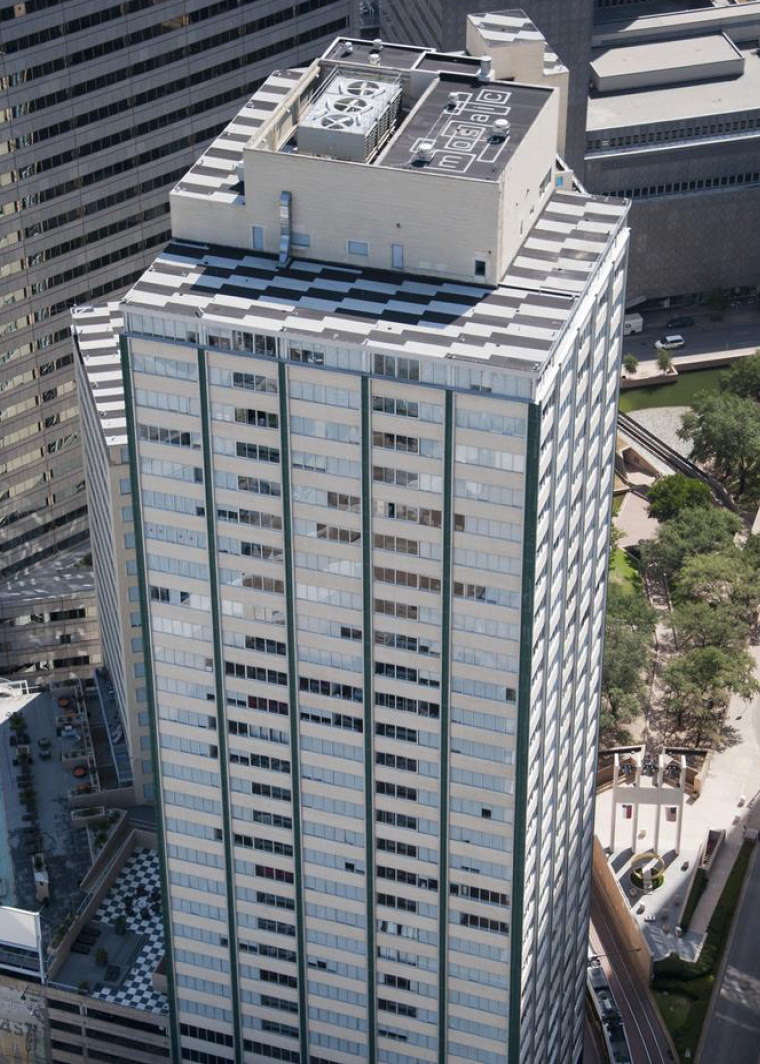
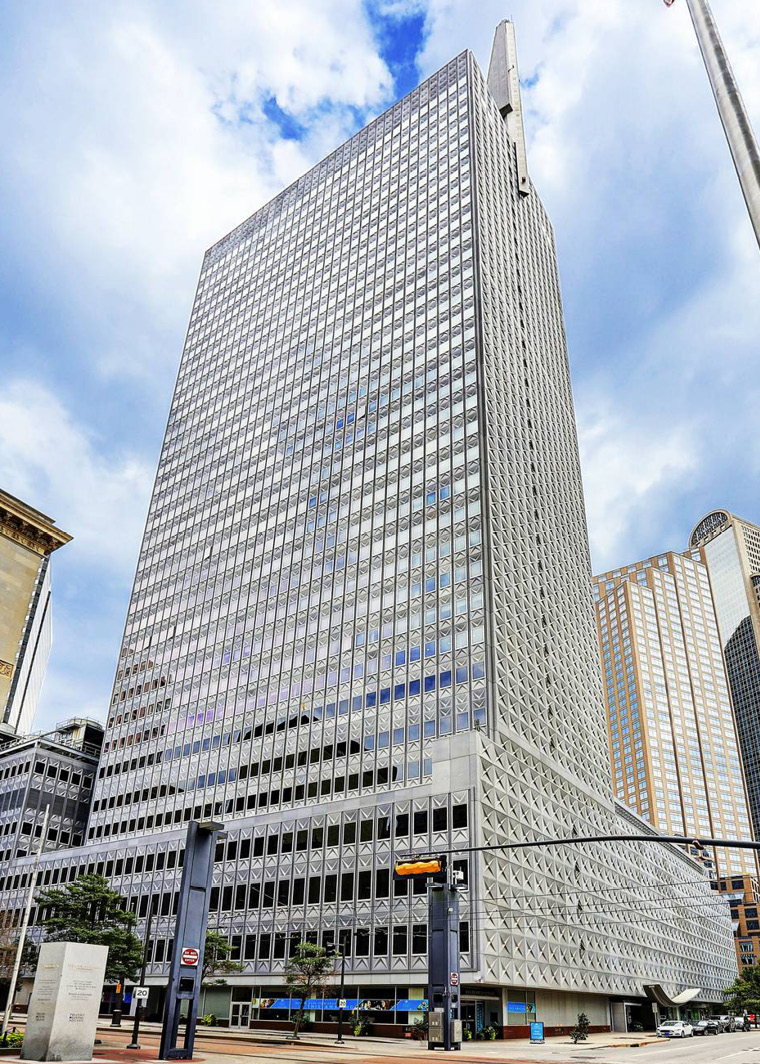
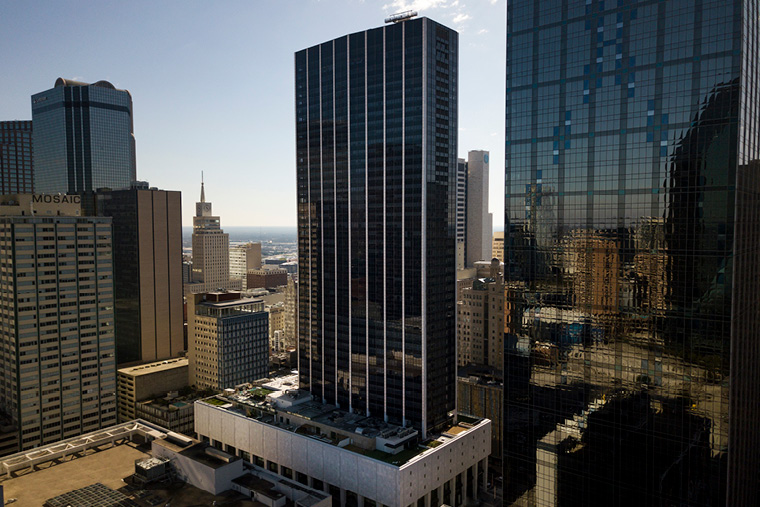
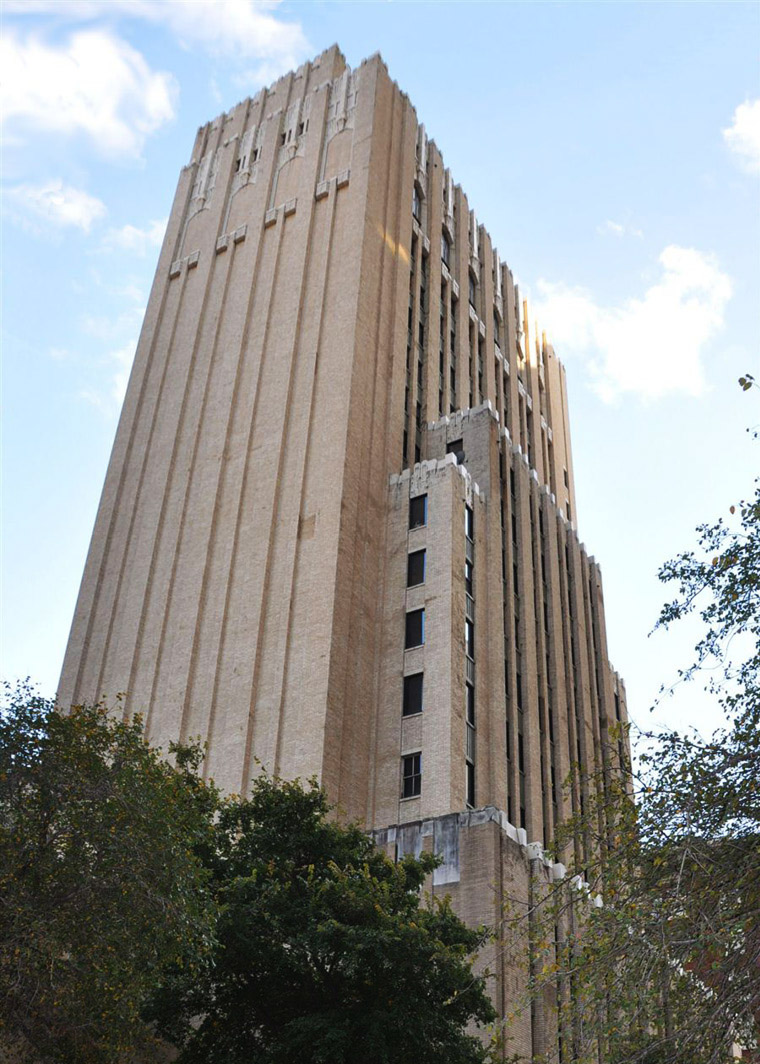
The Mosaic (440 apartments from a 1960s office tower), Dallas Power & Light (200 apartments from 1931 Art Deco buildings), Corrigan Tower (150 apartments from a 1952 office building) — each required different structural solutions, different preservation approaches, and different residential programming.

Learn More
Capability Convergence — Office‑to‑Residential project work by ANDRES Construction, Texas

Texas SB 840 allows residential construction in commercial zones without rezoning. SB 2477 proposes even broader adaptive reuse provisions — exempting office-to-residential conversions from impact fees, public hearings, parking minimums, and traffic studies.

These legislative forces are accelerating the market directly toward ANDRES's strongest capabilities. The question isn't whether the conversions will happen. It's which contractor has the institutional knowledge to deliver them at the quality the market demands.

Learn More
Legislative Tailwinds — Office‑to‑Residential project work by ANDRES Construction, Texas

Market Context

70,700+
Office-to-residential units in pipeline (3x since 2022)
#2
Dallas rank in delivered conversions nationally
26%
DFW office vacancy rate
SB 840
Residential in commercial zones without rezoning
SB 2477
Exempts conversions from impact fees and hearings

Office‑to‑Residential in your city

The Future Is Already Built.

DFW is uniquely positioned for office-to-residential transformation, with supportive legislation and millions of square feet ready for reinvention. ANDRES has completed more office-to-residential conversions in Texas than any documented competitor.

Questions developers ask before they sign

Why is office-to-residential suddenly a viable category in 2026?

Three things changed at once. Office vacancy in major metros sat near historic highs through 2024-2025 — ULI’s 2024 *Behind the Façade* report on office-to-residential conversions found that economic feasibility had improved as office asset values reset and incentives expanded. Texas SB 840 and SB 2477 layered ~45% tax credits onto adaptive reuse and conversion work in Texas. And the national adaptive reuse market sits at roughly $94.6B with a ~15% CAGR. The category is not a trend. It is a structural shift in how cities reuse downtown stock. (Sources: ULI 2024; Texas legislative record; market research compiled in ANDRES strategy session 2026-03-13.)

What makes an office building a good candidate for residential conversion?

Floor plate depth and window-to-core ratio. The deepest office floor plates — Class A trophy with central core and 50-foot lease depth — are the hardest to convert, because residential units need light and air and a corridor structure that does not exist in open office. The buildings that convert well tend to have narrower plates, more vertical circulation, and structural systems that allow new plumbing risers to be added. Carlos’s adaptive reuse experience at ANDRES — from Mosaic in 2007 onward — pattern-matches: the conversions that work are the ones where the structural geometry cooperates.

What’s the hardest part of an office-to-residential conversion?

Plumbing, light, and code. Residential requires bathrooms and kitchens stacked vertically; office plumbing typically serves a few core stacks. Adding distributed residential plumbing means new chases, new risers, and new structural penetrations through floor plates that were not designed for them. Residential also requires natural light to every bedroom — which means windows, which means demising walls that align with window mullions, which means the unit plan is dictated by an exterior grid you did not design. Code compliance — egress, fire separation, accessibility — completes the puzzle.

How do you price an office-to-residential project when so much depends on the existing structure?

The same way we price adaptive reuse: known and unknown, with contingency scoped for the unknown and staffing scoped to absorb it. Office conversions share the column tolerance problem Carlos described on Cabana — columns offset, twisted, or off-level cascade through the entire dimensional string and every unit gets built around columns you cannot move. We price the visible work and we staff to react to the rest. That is not a sales line; it is the only honest model when you cannot see behind the slab.

How long does an office-to-residential conversion take from contract to TCO?

The honest range depends on building age, system condition, and how much abatement is required, but conversions tend to compress the schedule a developer would expect from new ground-up construction — there is no foundation, no shell. The catch is that the saved time can be eaten by discovered conditions. On Cabana, partial demo and abatement had been done before ANDRES started, and the rebar nightmare on the pool deck still became the largest schedule driver. The right preconstruction discovery process is the largest single lever on conversion schedule risk.

What incentives exist for office-to-residential conversions in Texas right now?

The state-level levers as of 2026: Texas SB 840 and SB 2477 layered ~45% tax credits onto adaptive reuse and conversion projects, on top of federal Historic Tax Credits where the building qualifies. Local TIF (Tax Increment Financing) districts in dense downtowns can reinvest tax surplus to incentivize bringing abandoned or underused buildings online — Carlos has explained the math: an empty building drives down district value, a completed and occupied one starts producing tax revenue again. The right capital stack often layers TIF, HTC, and SB 840/2477 credits together. (Sources: Texas legislative record; ANDRES strategy session 2026-03-13.)

Why hire a GC with adaptive reuse experience for an office-to-residential project?

Because office-to-residential is adaptive reuse with one extra constraint. The pattern recognition that matters — inherited column tolerances, unforeseen structural conditions, sequencing demo and abatement so they do not collide with new construction, preserving facade while restructuring the interior — comes from having done conversions before. ANDRES has run hotel-to-residential (Cabana, $116M), government-depository-to-hotel (Aloft / Santa Fe Building), and large-scale historic adaptive reuse (the National, 1M SF / 52 floors, the largest adaptive reuse in Texas at the time). Office-to-residential lives in that same lineage.