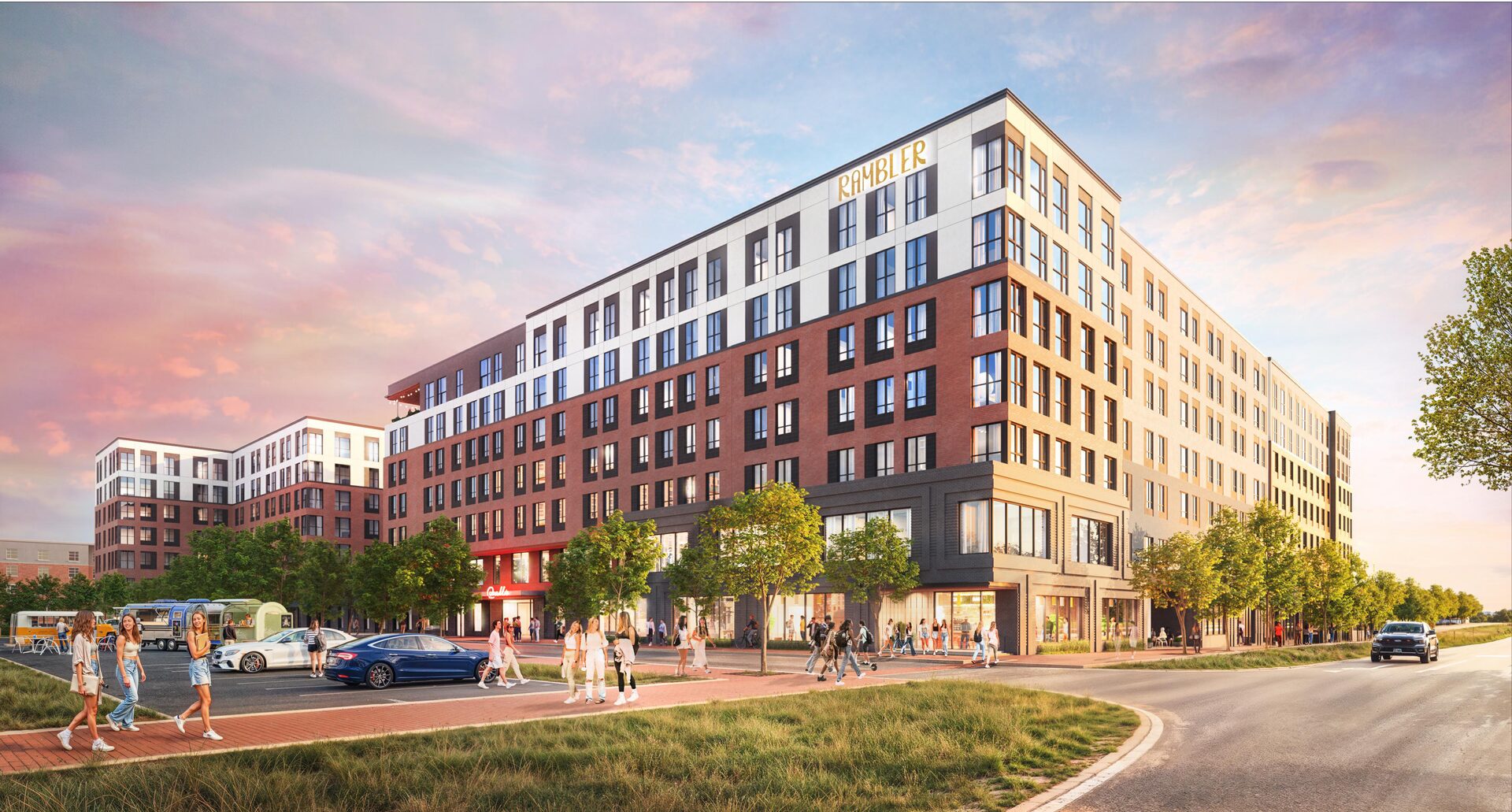
Preconstruction in Austin — market context
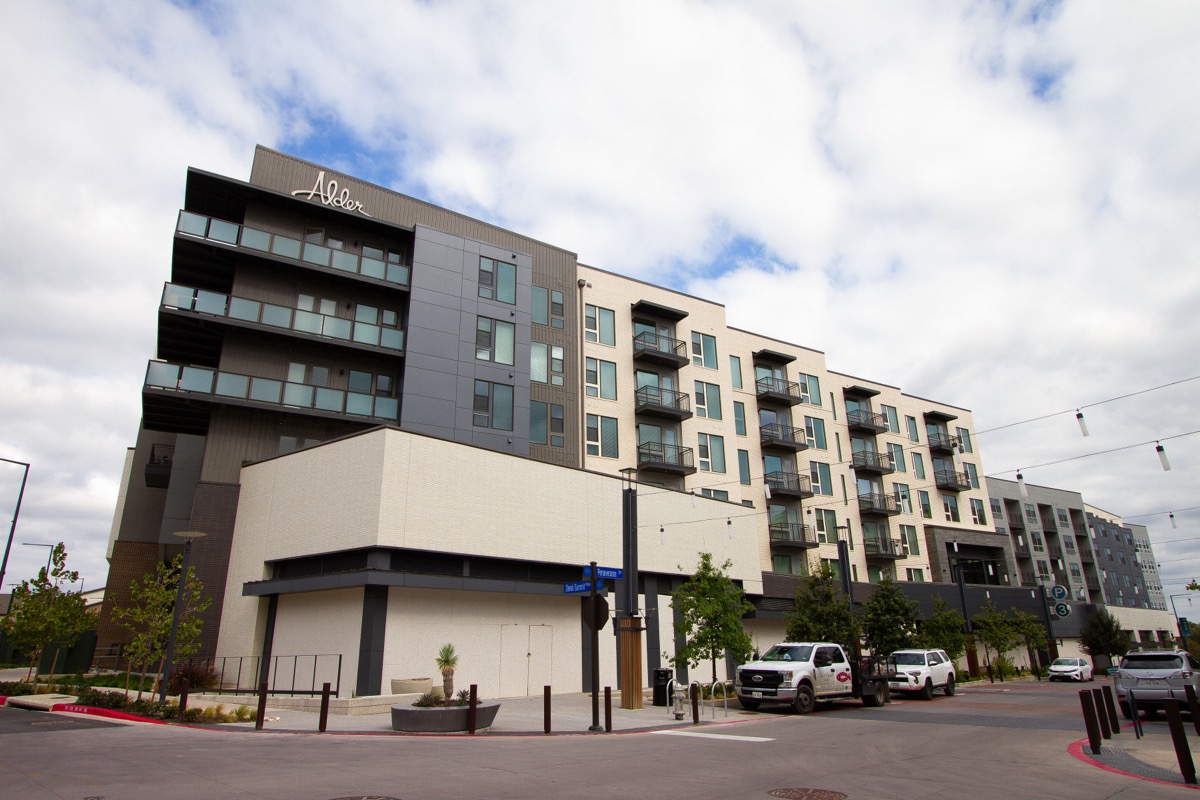
The City of Austin’s permitting timeline is one of the longest in Texas — measured in months, not weeks, for any project of consequence. Travis County, Williamson County, Hays County, and Brazos County (College Station) all carry their own characteristics. Land costs have tripled in key Austin submarkets since 2018. Texas A&M enrollment exceeds 74,000 students; UT Austin surpasses 53,000. Demand is structural, but the construction window between land assemblage and lease-up coordination is unforgiving. Preconstruction in this market is not a phase — it’s the mechanism that prevents the project from absorbing the permitting timeline as a surprise.
Jeff Kempf has led ANDRES preconstruction for 28 years across Dallas, Austin, Houston, and Fort Worth. Every project starts with a Complexity Walk: PM and superintendent on site together, identifying the three to five conditions that will define the project. In Central Texas, those conditions are typically jurisdictional sequencing, soil conditions across the Hill Country / Blackland Prairie transition, university calendar coordination for student housing deliveries, and trade availability windows in an over-extended subcontractor market. The Austin team operates under VP Josh Torres, at ANDRES since 2004.
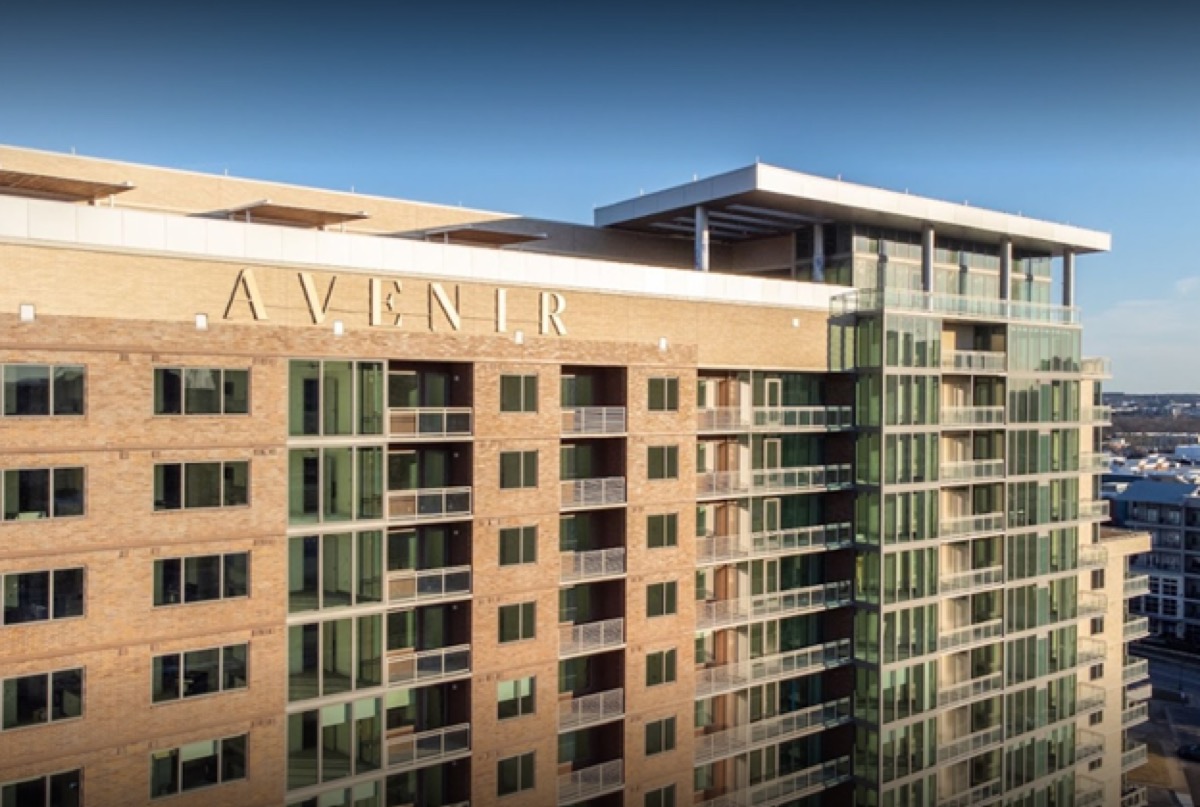
ANDRES’s preconstruction stack runs Procore, DroneDeploy, and full VDC integration. On Culpepper at College Station — 316 units, 953 beds, 752,500 SF in the Texas A&M market, delivering 2027 — the preconstruction work covered move-in day logistics, university calendar coordination, and Brazos County permitting characteristics before contract. The Complexity Walk is what produces the version of the estimate that holds when the project goes vertical.