Preconstruction in Dallas-Fort Worth — market context
Dallas-Fort Worth runs the most complex permitting and inspection environment in Texas: city overlays, historic preservation districts, TIF boundaries, suburban annexation lines, and the patchwork of jurisdictions across the metroplex. Preconstruction in this market is not a phase — it’s the mechanism that prevents the project from absorbing thirty years of regulatory layering as a surprise. The estimate is only as good as the institutional knowledge behind it. Pattern recognition is what separates a budget that holds from one that needs ratification six months in.
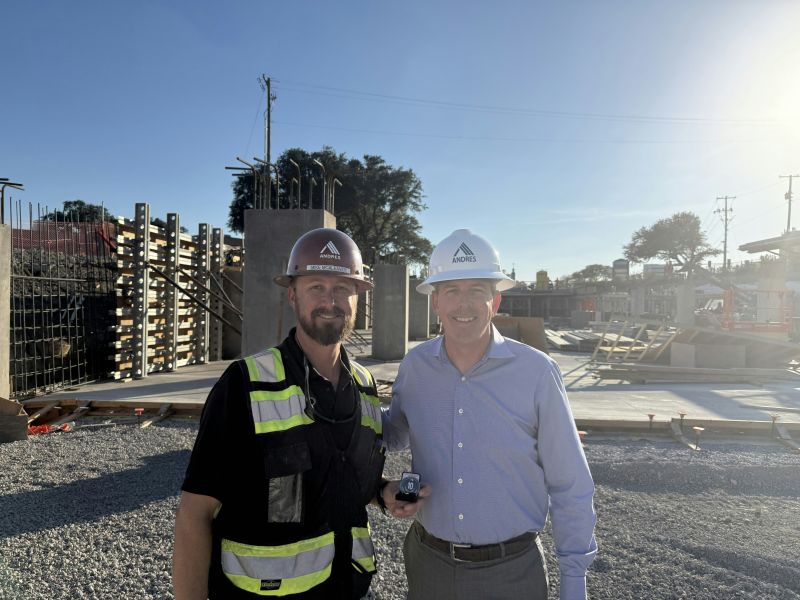
Jeff Kempf has led ANDRES preconstruction for 28 years. Every project begins with a Complexity Walk: PM and superintendent walk the site together, identify the three to five specific conditions expected during construction, face-to-face, on site, before contract. These are not generic risks. They’re the exact conditions the team’s combined decades of experience have taught them to look for. Alamo Manhattan called it "an uncanny ability to identify problems early." There’s nothing uncanny about it. It’s what shows up when the same people have solved the same category of problems for fifteen to twenty-five years.
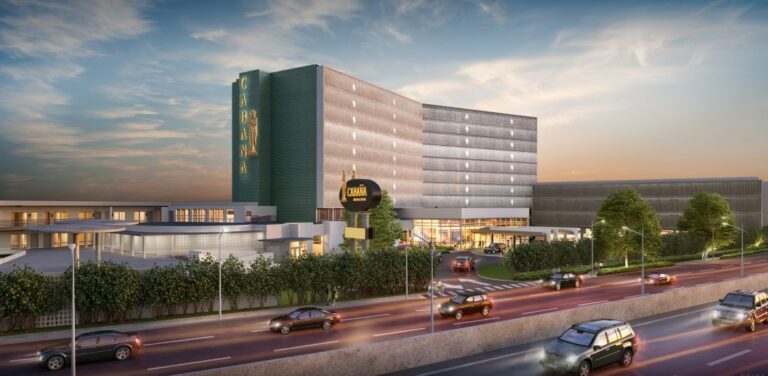
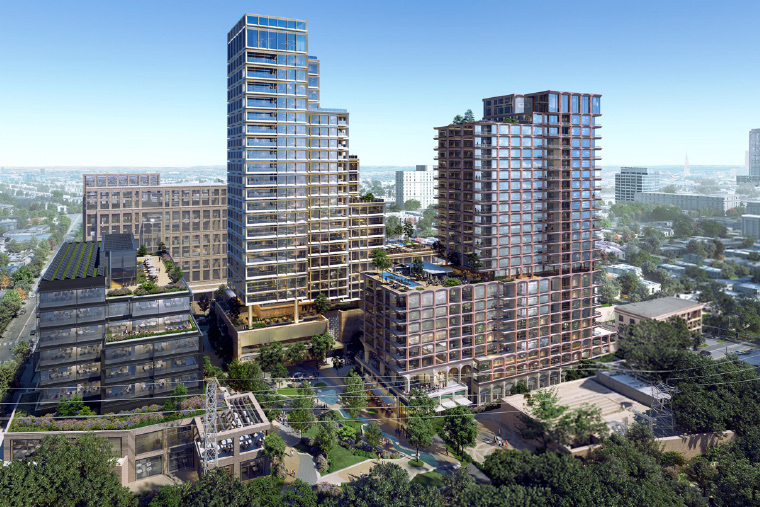
ANDRES’s preconstruction stack runs Procore, DroneDeploy, and full VDC integration — but the technology supports the judgment, not the other way around. The Complexity Walk on Knox Street identified the urban corridor logistics question before contract — five-level below-grade parking on an active Knox Street retail block, sequenced around tower cranes, concrete trucks, and material deliveries through a restaurant district. The walk on Cabana flagged the structural improvisation required when 1962 column offsets met 2025 unit layouts. The walk on Vivante surfaced HHSC licensing as a second finish line behind TCO. Each walk made the same kind of forecast: specific, on site, and authored by the people who would deliver the answer.