Preconstruction in Houston — market context
Houston preconstruction carries weight Dallas does not. Soil conditions vary block by block. Flood plain mapping and storm-water management have been formal scope items since Harvey reshaped the regulatory environment. The permitting patchwork — City of Houston, Harris County, Fort Bend, Montgomery, plus ETJ regulations that vary jurisdictionally — makes early identification of process pathway non-optional. Subcontractor demand outpaces supply across most of the metro. Schedules are written against trade availability as much as against design intent. The estimate is only as good as the institutional knowledge behind the assumptions.
Jeff Kempf has led ANDRES preconstruction for 28 years across Dallas, Austin, Houston, and Fort Worth. Every project starts with a Complexity Walk: PM and superintendent on site together, identifying the three to five conditions that will define the project. In Houston, those conditions are typically jurisdictional sequencing, soil and flood considerations, and trade availability windows. The Houston team operates under VP Cody Whittle, a Texas A&M Construction Science graduate at ANDRES since 2006. The pattern recognition is built. The relationships with Houston-area inspectors, utility providers, and trades are continuous, not reset.
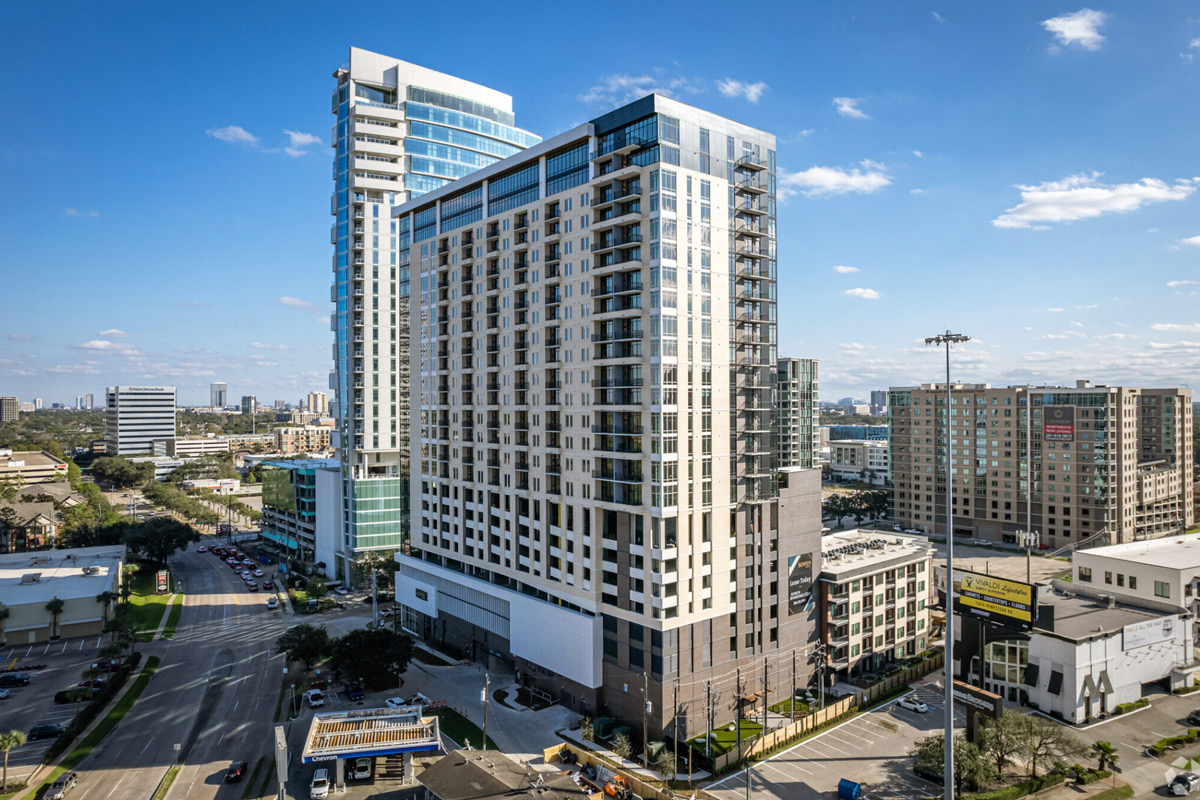
ANDRES’s preconstruction stack runs Procore, DroneDeploy, and full VDC integration — but technology supports the judgment. On Parkside Residences at Discovery Green — 43 stories, 309 units, 711,000 SF — the preconstruction work identified the downtown logistics constraints (active retail and convention foot traffic, limited staging, sequenced concrete pours) before contract. The Complexity Walk is what produces the version of the estimate that holds when the project goes vertical.