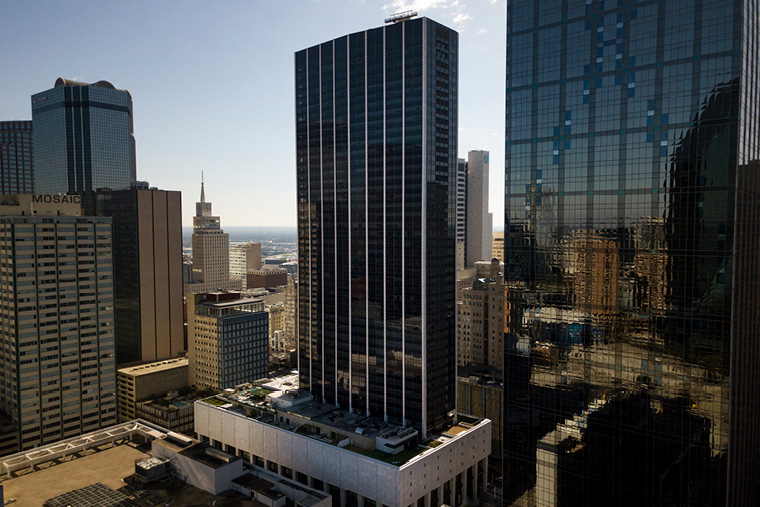
Complex Construction in Dallas-Fort Worth — market context
Most general contractors organize by building type — multifamily, hospitality, senior living, schools. ANDRES organizes by difficulty. The projects in this category share a common trait: they require judgment that cannot be specified, sequencing that cannot be templated, and teams that do not turn over mid-build. Dallas-Fort Worth concentrates this kind of work because the metro carries the regulatory layering (historic districts, NPS review, HHSC licensing), the inventory (mid-century office stock, 1960s hospitality, historic religious campuses), and the institutional clients (Trammell Crow, Balfour Beatty, the Catholic Diocese of Dallas) that demand it.
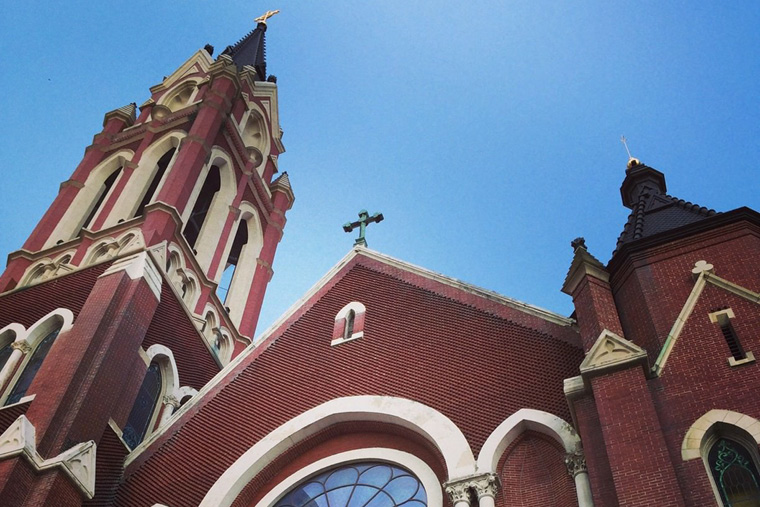
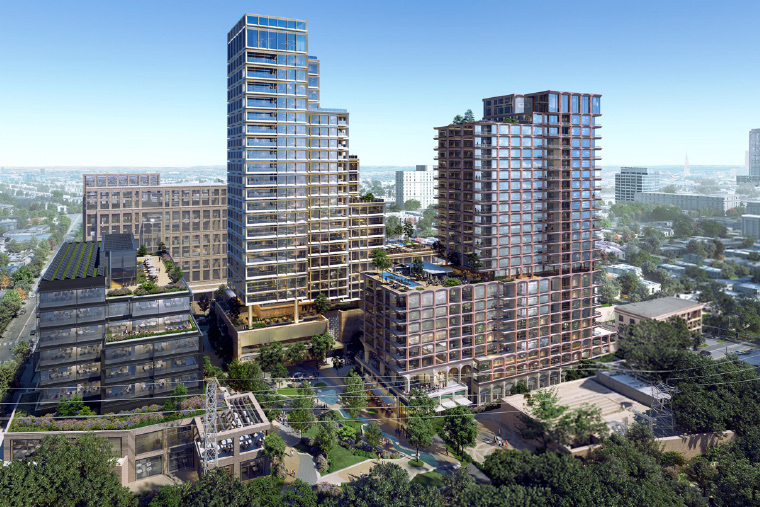
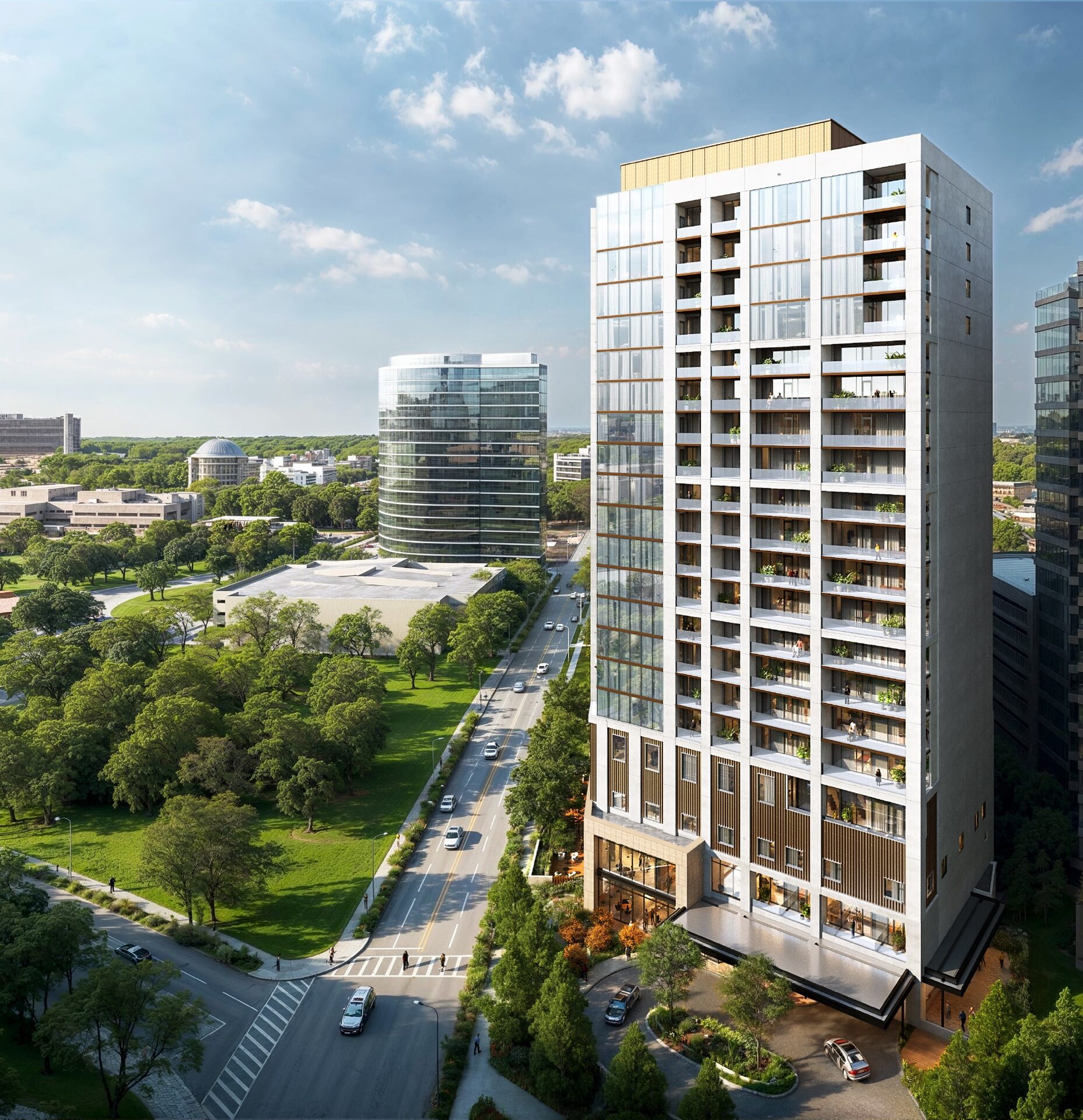
The National — 52 stories, $460M, three ownership changes mid-build, $100M historic tax credit transaction. Cathedral Guadalupe — 100-year-old active national shrine restored with parishioners in the pews during construction, six preservation awards. Cabana — 1962 Cabana Motor Hotel turned Dallas County jail turned 175-unit residential community, with custom-molded Sarno blocks recreated to match a 1962 spec. Knox Street — 46 custom condos at 1/16-inch tolerance inside a $619M JV with Balfour Beatty. Vivante — 20-story senior living tower with no independent living component and a memory care floor that requires its own access-control infrastructure. Each project sits in a different category. ANDRES is the through-line.
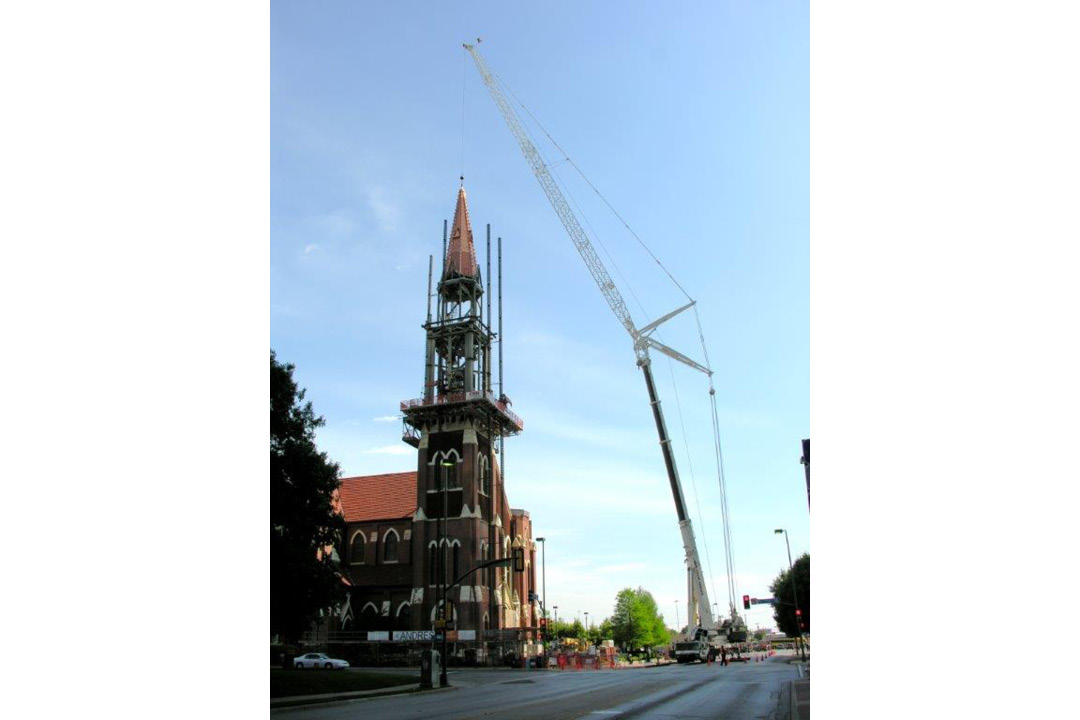
Complex projects don’t fail because of bad plans. They fail because the team that made the plan is not the team that executes it. ANDRES’s ESOP — 100% employee-owned since 2017 — is the structural mechanism that keeps the people who solved the last problem in place to solve the next one. The superintendent who started The National finished The National. The PM who ran Cathedral Guadalupe still works here. The estimator who priced Mosaic in 2007 prices projects today. Multi-year complex builds require multi-year team continuity. In DFW, ANDRES has it documented across $950M of adaptive reuse alone.